
Why is HTTPS Important for Your E-Commerce Site?
Security issue is what every business owner should consider about, especially when you decide to run your business online. In fact, many leading businesses have changed their site from HTTP…
From our archive. Written in 2017; some details may have moved on.
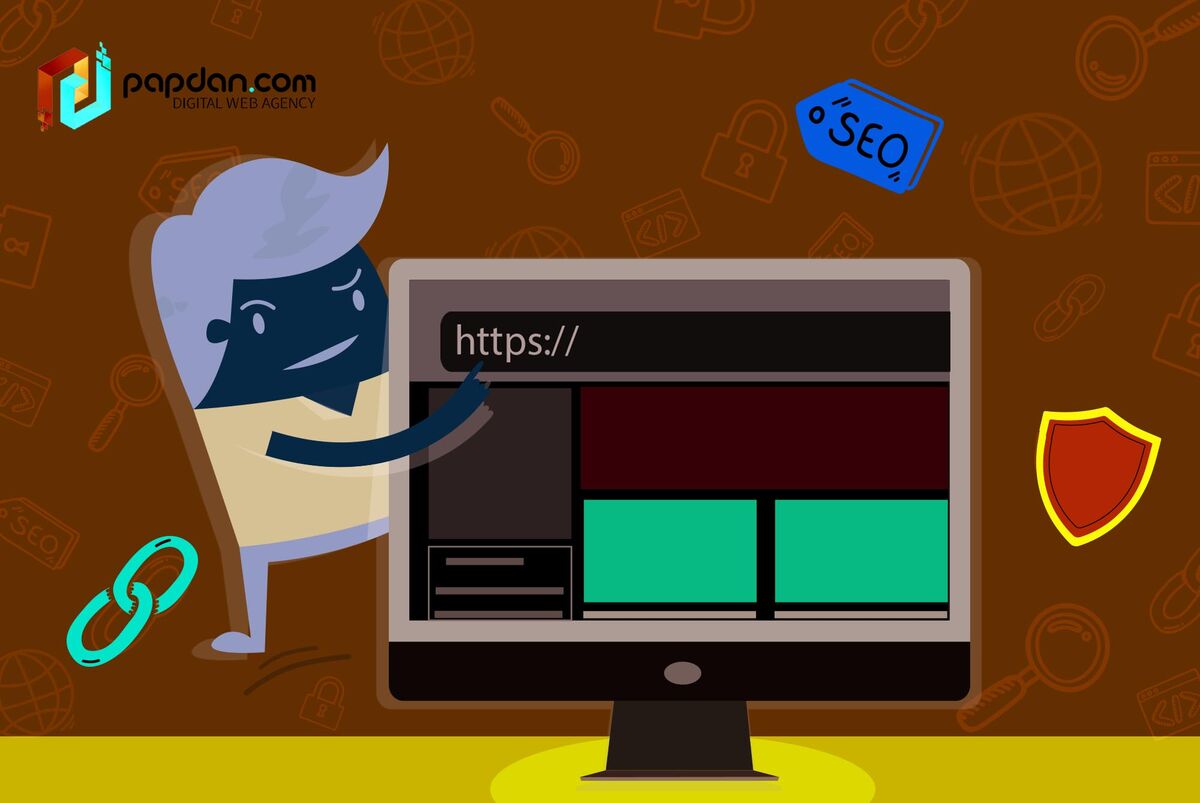
Security issue is what every business owner should consider about, especially when you decide to run your business online. In fact, many leading businesses have changed their site from HTTP into HTTPS a long time ago to ensure their sites provide good security to users. This shows that many business owners do realize on how important it is to put their users at ease while buying on their sites.
Recently, Google has announced that HTTPS is included as one of ranking factors. This makes the need of providing better security for business site grows even stronger, especially for sites that require user’s credit card information and/or other personal details. Besides, this also shows that having HTTPS site is important in order to get a good rank in search result. No wonder that many web developers and SEO services are suggesting this protocol to e-commerce site for better rank and better security.
Below we provide you with some basic information about HTTPS which might be necessary for any business owners to know. So, let’s start with a good understanding about what HTTPS is.
What is HTTPS?
There are so many technical details behind HTTPS (Hypertext Transfer Protocol Secure) which may be unnecessary for you, unless you are a web developer or SEO analyst. However, if you are a business owner, you may not need all the details, therefore, we serve you with some basic understandings of HTTPS.
As stated before, HTTPS is a better version of HTTP as it provides more security to users, especially if a user is giving you any sort of information, such as credit card information and/or other personal details. However, it will be good to secure information on all pages.
The difference can be seen when a user submits their data. HTTPS is able to provide multiple layers of protection to that data:
- Encryption: To anyone who somehow manages to intercept it, the data is worthless as they don’t have the key to decrypt it.
- Data integrity: with HTTPS data can’t be corrupted.
- Authentication: it prevents anyone to trick your costumers into thinking they’re providing you data when they’re really giving it to a scammer. This is what SSL certificate is for.
How Does HTTPS Provide a more secure browsing experience?
Now it is clear that HTTPS is truly made for creating a secure connection, but before switching from HTTP to HTTPS, you surely want to know how HTTPS can provide more secure browsing experience for users. The reasons are such as follows:
- Users are connected to the intended website and not an imposter.
- Encrypted data secure and protect login IDs, passwords, credit and debit card numbers, and other personal information that is inputted by users.
With the advancement of technology, it is a wise move to ensure that your site is well protected from hackers, malware, and other bad things that may harm your site and users’ privacy. Therefore, we suggest you to switch your site for more secure protocol, like HTTPS. If you have any problem while changing your site from HTTP to HTTPS, you can ask for a help to web developer services as they would gladly assist you in building a more secure site for your business!
More articles

Smart Brands Automate: How CRM + Email Drives Scalable Growth
In today’s fast-paced digital world, smart brands aren’t just marketing — they’re automating. If you want to grow at scale without burning out your team or losing leads, the secret…
Read article →
Mastering the Analytics Jungle: How Google Analytics Fuels Smarter Business Moves
Navigating today’s digital world can feel like swinging through a dense jungle. Every page view, click, and bounce hides valuable insight — if you know how to read the signs….
Read article →
Your Website Is Quietly Training Customers to Give Up
Your website could be losing potential customers through small but costly frustrations. Discover how digital friction affects navigation, contact forms, follow-ups and conversions—and how smarter website design and connected business systems can create a smoother customer experience.
Read article →