
7 Common SEO Mistakes to Avoid in 2020
Do you feel that your website hasn’t perform well lately and you start to see a downfall in your ranking and traffic? This can happen when you make one or…
From our archive. Written in 2020; some details may have moved on.
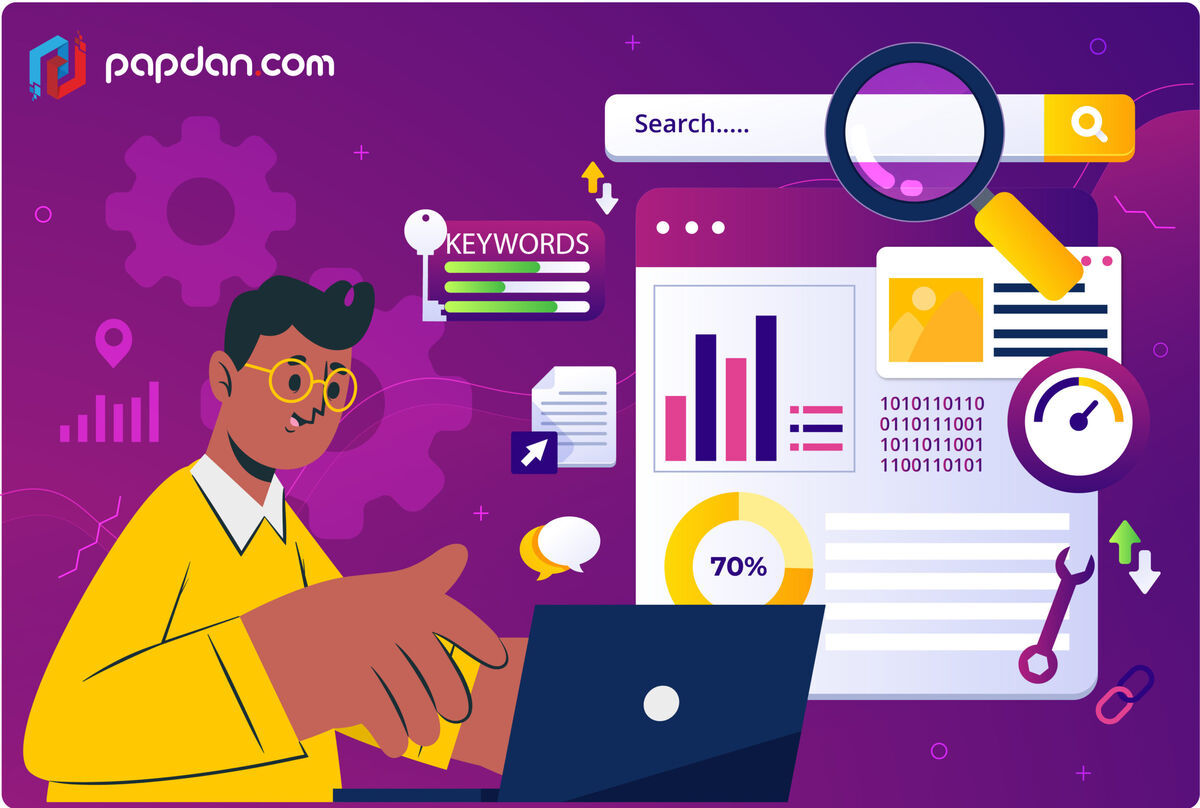
Do you feel that your website hasn’t perform well lately and you start to see a downfall in your ranking and traffic? This can happen when you make one or more mistakes on your SEO. As Melbourne SEO services provider, we noticed common mistakes that many business owners made when building their website on their own. In this article we will show you what are those mistakes and how to fix them.
Wrong keywords
Number one mistake you should avoid at all cost are optimizing for the wrong keywords. What we mean by “wrong keywords” are:
- short-tail keywords
- High competition keywords
Instead of using those keywords, try to target long-tail keywords, that you can realistically rank for. It’s the “2-step” formula to success when optimizing a website for specific keywords.
Pro tip: if you’re running an e-commerce website, target transactional keywords (they usually include terms like “subscribe”, “for sale”, “order”, “apply”, “reserve”, “schedule” + the exact name of your branded product/service or general industry products/services)
You left broken images or links on your website
These mistakes are the result of your sloppiness. To solve them, we suggest you to double-check some components like:
- misspelled URLs
- images with no ALT-text
- images with poor file names
- image linking to files that no longer exist
Your site’s performance is low
When your site takes too long to load, your bounce rate will increase dramatically.
Here are 2 simple and quickest fixes to speed is up:
- Keep you CS and JS files minimal
- enable a good caching plugin
You use poor URL structure
Your URL structure is poor because you do not include your target keywords in it. Keyword-rich URLs make it easier for search engines to locate your website.
You have one internal link and orphaned pages
These problems might seem insignificant but they have negative impact on your site’s ranking. To solve them you need to:
- Have multiple internal links on a page
- Make sure that all of the pages are linked to one another (no orphaned pages)
You’re not optimizing your title tags
As a rule of thumb, keep in mind to always insert your target keywords in the pages’ title tags, as well. And to stick to the proper length: less than 60 characters.
You rely too much on automatically-generated page titles
Your site will perform better when you create page titles manually. Especially the key pages on your website. Duplicate page titles might confuse search engines and lower your rankings.
More articles
Under the Hood: Why Hosting Quality Impacts Everything from SEO to Sales
Most businesses think of hosting as a basic utility — like choosing a power company. But the hosting environment you choose directly impacts your site’s speed, security, and success. At…
Read article →
Mastering the Analytics Jungle: How Google Analytics Fuels Smarter Business Moves
Navigating today’s digital world can feel like swinging through a dense jungle. Every page view, click, and bounce hides valuable insight — if you know how to read the signs….
Read article →
Your Website Is Quietly Training Customers to Give Up
Your website could be losing potential customers through small but costly frustrations. Discover how digital friction affects navigation, contact forms, follow-ups and conversions—and how smarter website design and connected business systems can create a smoother customer experience.
Read article →